
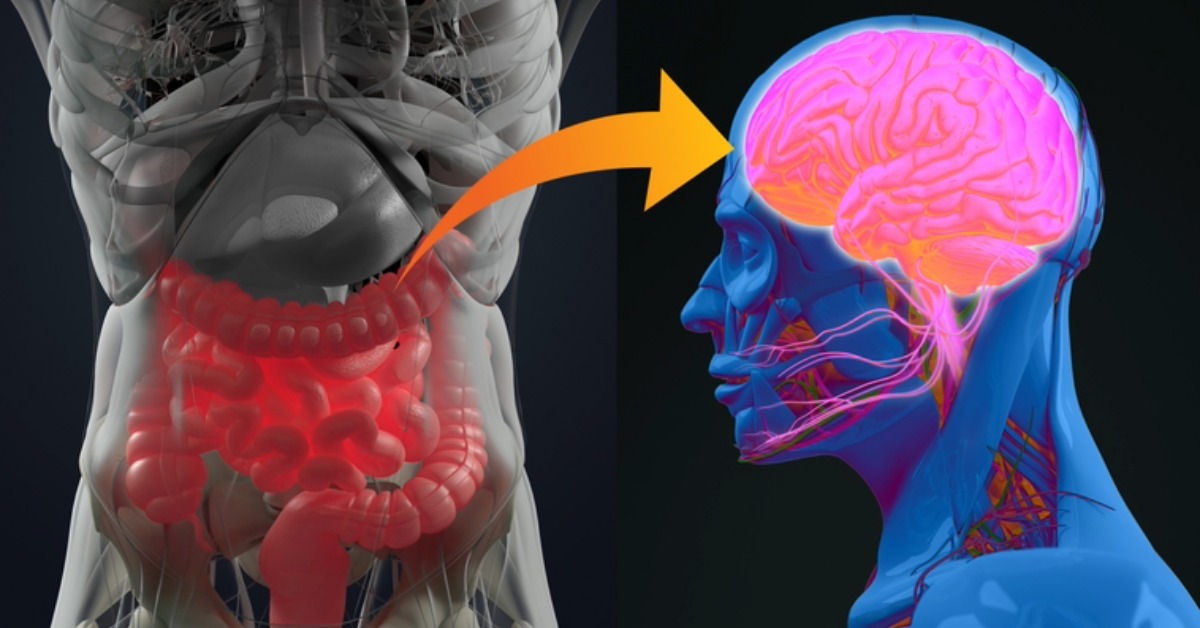
Why Your Gut is Called the “Second Brain”
Introduction:
Ever had “butterflies in your stomach” before a big event, or felt a strong gut instinct that turned out to be right? We’ve all experienced moments when our stomach seemed to speak louder than our mind. But why does this happen? Why does the gut play such a powerful role in our emotions, decisions, and overall health?
The answer lies in a fascinating discovery: the gut is often referred to as the “second brain.” Far more than just a digestive organ, the gut has its own nervous system, produces important chemicals, and constantly communicates with our brain. This deep, two-way relationship—known as the gut-brain connection—has major implications for mental clarity, mood regulation, and physical well-being.
Let’s explore why scientists call the gut our second brain and what that means for your health.
The Science Behind the Gut-Brain Connection
At the core of this connection is the Enteric Nervous System (ENS), sometimes called the “little brain” of the gut. This complex system contains over 100 million nerve cells lining your gastrointestinal tract—more than in the spinal cord.
What makes the ENS fascinating is that it operates semi-independently from the central nervous system. In other words, your gut can carry out many functions without needing direct instructions from the brain. Yet, it doesn’t work in isolation. Through the vagus nerve and countless biochemical signals, the gut and brain are in constant conversation.
Think of it like a Wi-Fi system: your gut is always sending updates, warnings, and feedback to your brain—and your brain responds in turn. This continuous communication is known as the gut-brain axis, and it plays a critical role in both digestion and mental health.
The Role of the Microbiome in Mental Health
Beyond the nerves, the gut is also home to trillions of microorganisms—collectively known as the gut microbiome. These tiny bacteria, fungi, and other microbes don’t just help digest food; they also play a major role in regulating mood and emotions.
For example:
-
About 90% of the body’s serotonin, the “feel-good” neurotransmitter, is produced in the gut.
-
Gut bacteria help synthesize dopamine and GABA, chemicals that influence mood, relaxation, and focus.
When the microbiome is balanced and diverse, it supports stable mental health. But imbalances—caused by poor diet, antibiotics, or stress—can disrupt neurotransmitter production. Studies show that disruptions in gut health are linked to conditions like anxiety, depression, and even cognitive decline.
So when people talk about “trusting their gut,” it may be more literal than we think. Your gut microbiome is actively shaping how you feel.
How Diet Impacts the Gut-Brain Axis
If the gut is the second brain, then food is its fuel—and the type of fuel matters.
Diets high in processed foods, sugar, and artificial additives can negatively affect the microbiome, leading to inflammation and poor communication between the gut and brain. This can manifest as brain fog, low energy, or mood swings.
On the other hand, a gut-friendly diet can strengthen the gut-brain axis. Some powerful foods include:
-
Fermented foods like yogurt, kimchi, and sauerkraut—rich in probiotics that support healthy gut bacteria.
-
Fiber-rich foods such as whole grains, beans, and vegetables—feeding beneficial microbes.
-
Omega-3 rich foods like salmon, walnuts, and chia seeds—shown to reduce inflammation and support brain health.
Small dietary swaps make a big difference. Replace sugary snacks with fruit, choose whole grains over refined ones, and include more plant-based meals. Your gut—and your mind—will thank you.
Stress, Emotions, and “Gut Feelings”
Have you ever noticed that stress goes straight to your stomach? Maybe you lose your appetite before a presentation or get cramps during a stressful day. That’s because stress hormones, like cortisol, have a direct effect on gut function and bacteria balance.
This creates a feedback loop:
-
Stress triggers changes in gut motility and microbial balance.
-
An imbalanced gut then signals back to the brain, intensifying feelings of anxiety or depression.
This explains why people with chronic stress often report digestive issues like IBS (Irritable Bowel Syndrome), bloating, or acid reflux. It also sheds light on the phenomenon of gut feelings—those instinctive hunches tied to physical sensations in the stomach. Your emotions are literally felt in the gut because the brain and gut are so tightly linked.
Signs Your Gut Health May Be Affecting Your Brain
The gut often serves as an early warning system for overall health. If you’ve been experiencing unexplained fatigue or mood issues, your gut might be sending you signals.
Here are some signs to look out for:
-
Frequent bloating or irregular digestion.
-
Persistent fatigue or “brain fog.”
-
Mood swings, low mood, or unexplained anxiety.
-
Skin issues like acne or eczema (often linked to gut imbalances).
-
Frequent cravings for sugar or processed foods.
These symptoms may indicate that your gut-brain axis is out of balance. Listening to these cues can help you take action before bigger health problems arise.
How to Improve Gut-Brain Health
The good news? There are many simple, natural ways to heal and strengthen the gut-brain connection. Here are some science-backed tips:
-
Eat a diverse, fiber-rich diet – Diversity in plants means diversity in microbes. Aim for at least 30 different plant foods per week.
-
Add probiotics and prebiotics – Probiotics (found in fermented foods or supplements) introduce good bacteria, while prebiotics (found in onions, garlic, bananas, and oats) feed them.
-
Practice mindful eating – Slow down, chew thoroughly, and minimize distractions during meals to support better digestion.
-
Reduce stress – Incorporate relaxation practices like yoga, meditation, deep breathing, or regular exercise.
-
Prioritize sleep – A consistent sleep schedule helps regulate both digestion and mental health.
Improving gut health isn’t about perfection; it’s about small, consistent changes that add up over time.
Conclusion: Bringing It All Together
The gut is not “just digestion.” It’s a second brain that profoundly shapes your mood, decisions, and overall health. From the enteric nervous system to the microbiome, from diet to stress, the gut-brain axis plays a vital role in how we think and feel every day.
So the next time you have a gut feeling, take it seriously—it’s your body’s way of sending you a message. Pay attention, nourish your gut with healthy choices, and embrace the idea that better gut health means better mental and emotional well-being.
Start small today—swap one processed snack for a gut-friendly alternative or add a fermented food to your diet. Your second brain will thank you.