
What Happens to Your Body When You Stop Exercising Suddenly
Introduction:
“Ever skipped a week at the gym and noticed how sluggish you feel? Imagine that lasting for months.”
We all know the benefits of regular exercise — stronger muscles, a healthier heart, better sleep, and a sharper mind. But what happens when that routine suddenly stops? Whether it’s due to a busy schedule, an injury, or sheer burnout, ceasing physical activity sets off a physiological chain reaction known as detraining.
Detraining is the body’s natural process of losing fitness adaptations once regular exercise stops. What’s fascinating (and alarming) is just how quickly those changes begin — sometimes within mere days. From a decline in blood circulation and muscle strength to slower metabolism and mood changes, your body starts to recalibrate for a less active lifestyle.
So, how fast does this transformation happen, and what parts of your health take the biggest hit first? Let’s break it down step by step.
1. The First Week: Immediate Effects of Inactivity
If you stop exercising suddenly, your body notices almost immediately. Within five to seven days, blood flow efficiency begins to decline, muscles feel tighter, and your daily energy levels dip.
Without consistent movement, blood circulation declines, meaning oxygen and nutrients aren’t delivered as effectively to your muscles and organs. The result? That unmistakable feeling of heaviness and fatigue.
Even your mood takes a hit. Exercise releases endorphins, the “feel-good” hormones responsible for stress relief and happiness. Without them, you might feel more irritable or notice small dips in motivation. Sleep quality may also deteriorate, as your body misses the natural fatigue cue that regular exercise provides.
As many athletes describe it, “After just a few missed workouts, I feel heavier and less alive.” That’s your body adjusting — or more accurately, readjusting — to stillness.
2. Two to Four Weeks: Loss of Strength and Endurance Begins
By the second week, the decline becomes more noticeable. Muscles that once felt firm begin to lose tone due to muscle atrophy, a natural reduction in muscle fiber size. At the same time, your cardiovascular endurance starts to weaken.
Studies show that VO₂ max, which measures how efficiently your body uses oxygen, can drop by up to 10% in just three weeks of inactivity. That means your heart and lungs become less effective at transporting oxygen, and your stamina decreases — even during daily tasks like climbing stairs.
You might also notice:
-
Increased shortness of breath during mild activity.
-
Slower heart rate recovery after exertion.
-
Muscle stiffness and soreness due to reduced flexibility and circulation.
In essence, the body you built through consistency begins to unbuild itself — but thankfully, this process can be reversed.
3. The Hidden Metabolic Shift: Weight Gain and Insulin Sensitivity
Here’s where things get tricky. Even if you stop exercising, your appetite doesn’t always slow down. If your food intake remains the same while your energy expenditure drops, weight gain becomes almost inevitable.
After a few weeks of inactivity:
-
Your metabolism slows, burning fewer calories at rest.
-
Fat storage increases, especially around the abdomen.
-
Your insulin sensitivity declines, making it harder for your body to regulate blood sugar effectively.
This combination not only leads to weight gain but also raises the risk of metabolic syndrome, a cluster of conditions that include high blood pressure, high blood sugar, and elevated cholesterol levels.
Many people who stop exercising suddenly report gaining 3–5 pounds in just a month, even if their diet doesn’t change. That’s the silent metabolic cost of inactivity.
4. Muscle Memory vs. Muscle Loss: Can You Get It Back?
Here’s the good news — while you lose strength, you don’t lose everything. The body has an amazing ability called muscle memory. Once you’ve built muscle and strength, your body retains the cellular “blueprint” that allows you to regain it faster when you start training again.
When you resume exercising after a break, your muscle fibers reactivate quickly, restoring previous strength levels in a fraction of the time it originally took to build them. So while muscle loss and endurance decline happen fast, recovery happens faster than most people expect.
In short: stopping doesn’t erase your progress. It just puts it on pause.
5. The Psychological Side: Mood, Motivation & Sleep
One of the most underestimated effects of stopping exercise is its impact on mental health.
Regular physical activity increases levels of dopamine and serotonin, neurotransmitters that boost mood and motivation. Without them, you may experience:
-
Anxiety or mood swings
-
Low motivation or “mental fog”
-
Poor sleep quality, especially deep restorative sleep
In a way, your brain goes through its own form of detraining. The balance of stress hormones like cortisol increases, while the production of mood-enhancing chemicals declines. It’s no surprise that people often feel more irritable or tired when they stop working out.
If you’ve noticed you’re snapping more easily or struggling to focus, it’s not “all in your head” — it’s in your body chemistry.
6. Long-Term Impact: Heart, Bones, and Aging
Now let’s look at what happens if inactivity continues for months or years. This is where the risks shift from temporary to long-term.
Without regular physical stress, bone density decreases, leading to a higher risk of fractures and osteoporosis — especially in adults over 40. Joint mobility declines too, making everyday movements like bending, stretching, or lifting feel harder.
Your heart health also takes a hit. Inactivity contributes to stiffer arteries, increased blood pressure, and reduced cardiac efficiency. Over time, this raises the risk of heart disease, stroke, and other chronic conditions.
For aging adults, these changes can accelerate the visible and invisible signs of aging. As muscle mass declines and metabolism slows, you might notice:
-
Slower recovery from fatigue
-
Weaker immune response
-
Sagging skin and reduced collagen production
That’s why senior health experts often refer to movement as a form of anti-aging therapy — because it truly is.
(For example, Nutrinova’s wellness supplements like Arthrocure and Collagen Xpert are specifically designed to support joint flexibility and skin elasticity as we age, helping seniors stay active and confident.)
7. Getting Back on Track: How to Restart Safely
The best part about fitness is that it’s forgiving. Whether you’ve been inactive for a week or a year, you can always get back on track — safely.
Here’s how:
-
Start slow – Begin with light walking or stretching to rebuild circulation.
-
Reintroduce strength gradually – Try bodyweight exercises before returning to weights.
-
Focus on consistency, not intensity – 20 minutes a day beats a 2-hour session once a week.
-
Support your body with nutrition – Stay hydrated and eat protein-rich meals to promote recovery.
-
Consider supportive supplements – Joint and energy support products like Arthrocure, Collagen Xpert, Cordy Boost, or StomaFine 200 can aid in recovery and muscle repair naturally.
(These are examples of natural supplements from Nutrinova’s product line that help bridge nutrient gaps during the rebuilding phase.)
Remember: the key to restarting isn’t punishment — it’s progress.
8. Conclusion: Movement is Medicine
Stopping exercise affects nearly every system in your body — from your heart and muscles to your mood and metabolism. The effects begin within days and can compound over weeks, but the good news is that your body is built to adapt both ways.
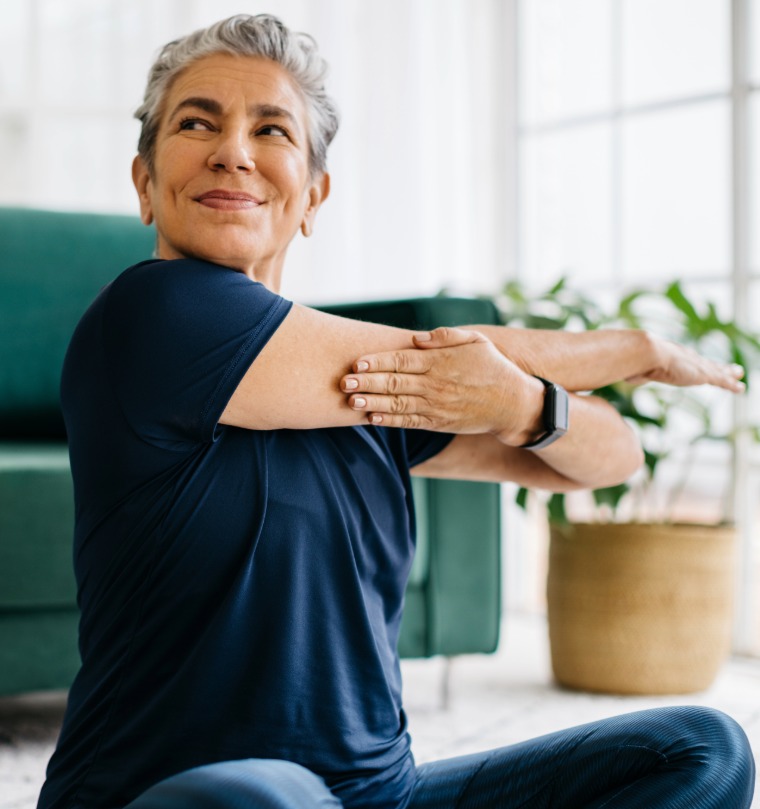
Movement, even in its simplest forms — walking, stretching, or light yoga — keeps your body in rhythm. The moment you start moving again, your energy returns, your mind sharpens, and your confidence rebuilds.
So, ask yourself:
“If your body adapts so quickly to inactivity, imagine what it could do with consistency?”
Today, make a small commitment — take a 20-minute walk, do a few stretches, or simply stand up more often. Because the truth is simple: movement isn’t just exercise; it’s life’s most natural medicine.