
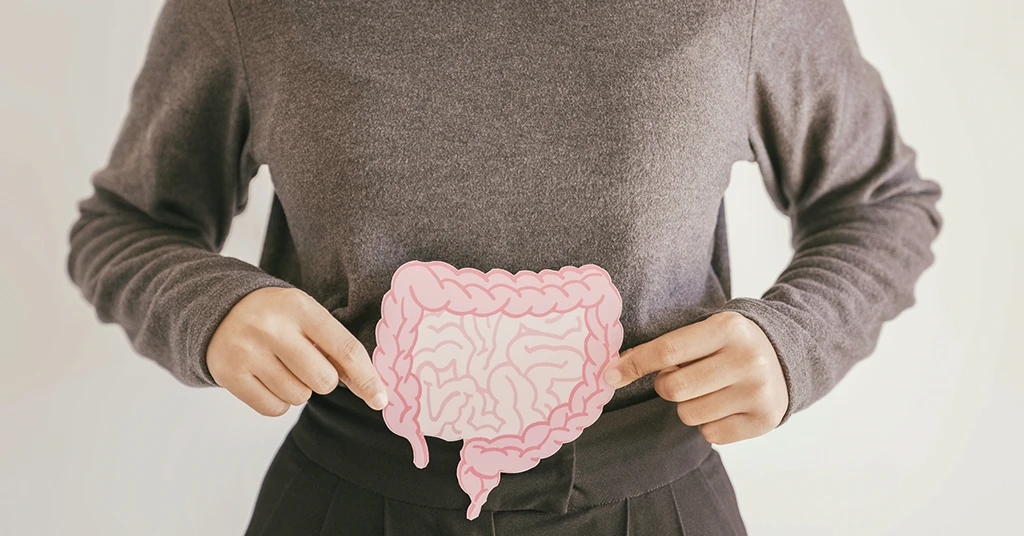
The Link Between Gut Health and Mood: Why Happiness Starts in the Stomach
1. Introduction – The Surprising Connection Between Gut and Mind
Did you know that your gut is often called your “second brain”? It might sound like a quirky phrase, but modern science has shown that your digestive system and your brain are in constant communication—so much so that your gut can directly influence how you feel, think, and even behave.
We often assume our emotions come solely from the brain, but what if the secret to feeling calmer, more focused, and genuinely happier actually begins in your stomach?
The link between gut health and mood is one of the most fascinating areas of health research today. Scientists have discovered that the gut and brain are connected through a complex communication network known as the gut-brain axis. This means your digestive system doesn’t just break down food—it also sends chemical signals that can influence your stress levels, energy, and emotional well-being.
In this post, we’ll explore how your gut affects your mood, the science behind the gut-brain connection, and simple, natural ways to restore balance. You’ll also discover how supplements like Gold Pharma’s StomaFlex can help support digestion and emotional harmony—so you can feel your best from the inside out.
2. The Gut-Brain Axis: Your Second Nervous System
Imagine a two-way highway of information constantly buzzing between your stomach and your brain. That’s the gut-brain axis—a communication pathway made up of nerves, hormones, and biochemicals that send messages back and forth all day long.
One of the key players in this connection is the vagus nerve, a superhighway linking your gut to your brainstem. When your gut is balanced and healthy, this communication flows smoothly. But when your digestion is out of sync—perhaps from stress, poor diet, or imbalance in gut bacteria—it can disrupt this line, leading to emotional turbulence, irritability, or fatigue.
Here’s an astonishing fact: over 90% of serotonin, the “happy hormone” that stabilizes mood and promotes well-being, is produced not in your brain—but in your digestive system. This means your gut is not just processing food; it’s literally helping to shape your emotional state.
So, when your stomach feels off, your mind often follows. Think about the last time you felt butterflies in your stomach before a big presentation or lost your appetite due to stress. These aren’t coincidences—they’re the gut-brain connection in action.
Experts increasingly view the gut as a second nervous system—technically called the enteric nervous system. It’s filled with millions of neurons, neurotransmitters, and receptors that mirror the brain’s structure. No wonder your digestive system can influence your mental health so profoundly.
3. Microbiome Magic: How Gut Bacteria Shape Your Mood
Inside your digestive tract lives a bustling microscopic world known as the gut microbiome—trillions of bacteria, fungi, and other microbes that play a major role in your health. Think of them as tiny caretakers who help digest food, regulate immunity, and produce important mood-regulating chemicals.
When your gut microbiome is balanced, your digestion runs smoothly, inflammation stays low, and your mood tends to stay positive. But when that balance is disturbed—a condition called dysbiosis—you may experience not just digestive issues like bloating or irregularity, but also brain fog, anxiety, or irritability.
Research shows that certain bacterial strains, such as Lactobacillus and Bifidobacterium, are directly linked to improved mental well-being. These “good bacteria” help produce short-chain fatty acids that reduce inflammation and enhance serotonin and dopamine activity in the brain.
However, modern lifestyle habits often disrupt this delicate ecosystem. Overuse of antibiotics, excessive sugar, processed foods, chronic stress, and lack of sleep can deplete your beneficial bacteria.
To nurture your microbiome, focus on gut-friendly habits:
-
Eat foods rich in fiber, like oats, bananas, and leafy greens.
-
Include fermented foods such as yogurt, kefir, sauerkraut, or kimchi.
-
Consider taking a probiotic supplement to help restore bacterial balance.
A thriving microbiome doesn’t just support digestion—it fuels mental clarity, calmness, and vitality.
4. Signs Your Gut Might Be Affecting Your Mental Health
Your body often sends subtle warning signs when your gut health is off track—and many of them might surprise you. Here are a few common indicators that your stomach could be affecting your mental well-being:
-
Frequent bloating or indigestion – Persistent digestive discomfort may point to inflammation or bacterial imbalance.
-
Low mood or irritability – Gut imbalance can reduce serotonin production, affecting your emotional stability.
-
Sugar cravings – An imbalanced microbiome can drive cravings for sweets, which feed bad bacteria.
-
Fatigue after meals – Difficulty digesting or absorbing nutrients can leave you feeling sluggish.
-
Sleep disturbances – The gut helps regulate melatonin, the sleep hormone. Poor gut health can cause insomnia or restlessness.
These symptoms are your body’s way of whispering that something deeper is going on. Instead of masking the discomfort, it’s worth addressing your gut health directly. By healing your digestion, you often heal your mood too.
5. Natural Ways to Nourish Your Gut for a Happier Mind
The good news? You can nurture a healthier gut—and a happier mind—by making simple lifestyle adjustments. Here are science-backed ways to naturally improve both digestion and mood:
1. Eat Balanced Meals with Prebiotics and Probiotics
Prebiotics (fiber that feeds good bacteria) and probiotics (live beneficial bacteria) are essential for a strong microbiome. Add foods like garlic, onions, apples, and asparagus for prebiotics, and yogurt, miso, or kombucha for probiotics.
2. Manage Stress Through Mindfulness or Breathing
Chronic stress triggers inflammation in the gut and disrupts digestion. Practice deep breathing, yoga, or meditation daily—even 10 minutes can make a difference.
3. Exercise Regularly
Physical activity stimulates the gut and promotes healthy bacterial diversity. Even brisk walking or stretching can enhance your digestion and mental clarity.
4. Stay Hydrated
Water aids digestion, supports nutrient absorption, and helps flush toxins that might disrupt your gut balance.
5. Limit Processed Sugar and Alcohol
Both can harm beneficial bacteria and encourage overgrowth of harmful microbes, leading to digestive discomfort and mood dips.
By adopting these habits, you create a virtuous cycle—better digestion leads to improved nutrient absorption, which fuels brain health and happiness.
6. Supplement Spotlight – Gold Pharma’s StomaFlex
To complement a healthy lifestyle, the right supplement can provide extra support where diet alone may fall short. That’s where Gold Pharma’s StomaFlex comes in.
StomaFlex is a premium digestive health supplement designed to promote stomach wellness, balance your gut microbiome, and enhance nutrient absorption. Its advanced formula supports the natural functions of your digestive system—helping reduce bloating, soothe the stomach lining, and encourage optimal gut flora balance.
By maintaining a healthy gut environment, StomaFlex indirectly supports emotional stability and mental clarity. Remember, when your digestion runs smoothly, your brain receives consistent, positive signals—helping you feel calm, energized, and focused throughout the day.
Incorporate StomaFlex into your daily routine alongside balanced meals, stress management, and good sleep hygiene for best results.
Try Gold Pharma’s StomaFlex to restore digestive balance and bring back your natural vitality and joy.
7. Conclusion – Happiness Begins in the Gut
Your gut is far more than a digestive organ—it’s a powerful emotional and physical control center. The gut-brain connection proves that our thoughts, moods, and even our sense of happiness can begin with how well we care for our digestive health.
By nurturing your gut microbiome, eating whole foods, managing stress, and using supportive supplements like StomaFlex, you can create a strong foundation for long-term wellness—inside and out.
Remember:
“A balanced gut is more than just comfort—it’s the foundation of a happy, energetic, and focused life.”
So next time you think about improving your mood, start with your stomach.
What are you doing today to keep your gut—and your mind—happy?