
Why You Should Care About Your Body’s pH Balance
1. Introduction: Is Your Body Too Acidic? Here’s Why It Matters
Feeling tired, bloated, or inflamed? Your body’s pH balance might be the silent culprit behind symptoms you’ve been brushing off as “normal.” While most people assume that pH only matters in science class or swimming pool maintenance, your body’s internal acid–alkaline balance influences everything from your digestion and skin health to your overall energy levels.
But here’s the surprising part: even small shifts in acidity can impact the way your body functions daily. Yet, few people understand what pH balance really means, how it changes, or why it matters.
So let’s start with a simple question:
What is pH balance, and why should you care?
In this guide, we’ll break down the science in everyday language, explore the signs of pH imbalance, reveal what causes it, and share natural strategies to keep your internal environment healthy. You’ll also discover how Gold Pharma supplements—specifically StomaFlex and Colophytol—can support digestion, detoxification, and metabolic balance to help your body maintain an optimal pH.
Keywords to keep in mind throughout this post:
pH balance, body acidity, alkaline diet, acid–alkaline balance, improve pH levels
2. What Is pH Balance? A Simple Explanation
Let’s keep the science simple.
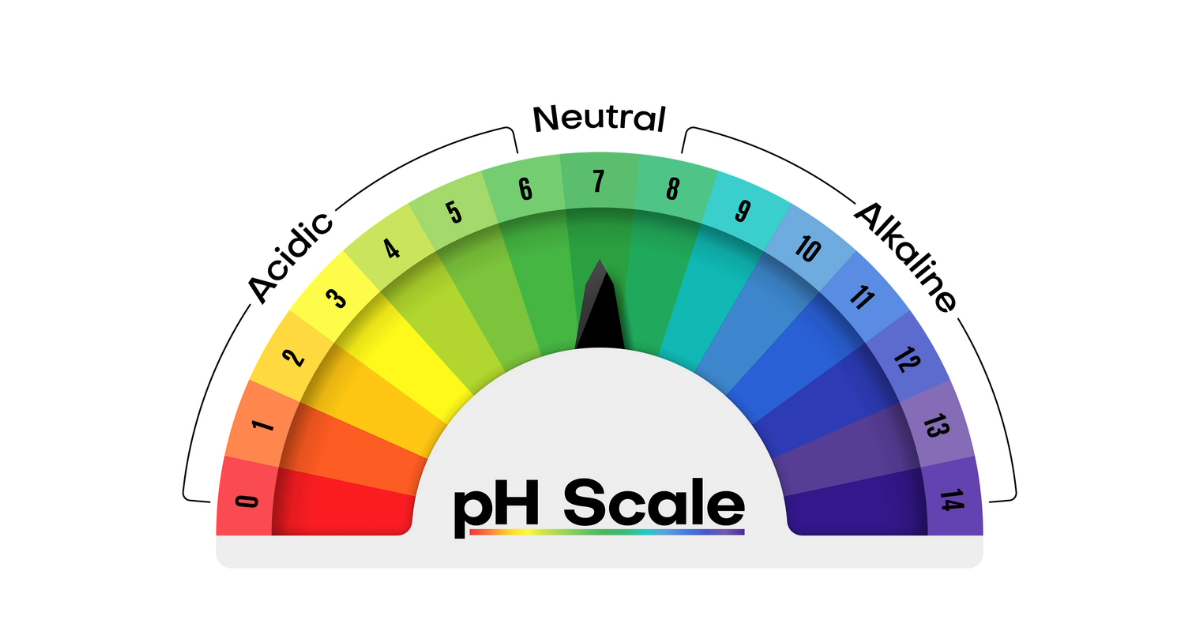
pH stands for potential hydrogen and measures how acidic or alkaline a substance is. The scale runs from 0 to 14:
-
0–6: Acidic
-
7: Neutral
-
8–14: Alkaline
Your body maintains different pH levels in different areas:
-
Blood: Slightly alkaline (around 7.35–7.45)
-
Stomach acid: Highly acidic (around 1.5–3.5) to digest food
-
Saliva: Mildly acidic to neutral (around 6.2–7.6)
-
Skin: Slightly acidic to protect against bacteria
The word “balance” doesn’t mean making your body fully alkaline. That’s actually a misconception.
Instead, pH balance means supporting the body so it can maintain the ideal pH levels needed for each system to function optimally. When your lifestyle consistently pushes the body toward acidity, problems start to appear—slow digestion, inflammation, fatigue, and more.
Keywords: what is pH balance, body pH meaning, acid vs alkaline
3. Why Your Body’s pH Balance Matters More Than You Think
Your pH balance influences many processes in your body, some more than you realize. When your system becomes too acidic, it can quietly affect your:
1. Energy Levels
Acidity can interfere with oxygen flow and cellular function, making you feel sluggish or fatigued even after a full night’s sleep.
2. Digestive Efficiency
Excess acidity can increase acid reflux, bloating, and irregular bowel movements. A stressed digestive system struggles to regulate pH.
3. Inflammation & Joint Stiffness
Some experts link a consistently acidic environment to chronic inflammation, which contributes to joint stiffness and muscle tension.
4. Immune Function
A balanced internal environment helps your immune system function properly. Acidity may weaken your defenses, making you more prone to colds.
5. Skin Health
Acidity can trigger breakouts, dullness, or sensitivity. A healthy pH supports skin protection and clarity.
Research also hints at a connection between chronic metabolic acidity and long-term stress on organs involved in detoxification. While your body is a master regulator, it operates better when supported with nutrition, hydration, and healthy lifestyle practices.
Keywords: metabolic acidity, inflammation, immunity, low energy causes
4. Common Signs Your Body May Be Too Acidic
You may be experiencing symptoms of pH imbalance and not even realize it. Common signs include:
-
Persistent fatigue or mid-day energy crashes
-
Bloating, acid reflux, or digestive discomfort
-
Muscle tightness or unexplained joint pain
-
Frequent colds or slow recovery after illness
-
Sugar cravings (your body seeks quick fuel)
-
Mood swings, irritability, or brain fog
So what creates this shift? Everyday factors like stress, processed foods, excessive caffeine, lack of sleep, and dehydration can all increase your body’s acidity over time.
Keywords: signs of acidity, acidic body symptoms, how to know if your body is acidic
5. What Causes pH Imbalance? Lifestyle Factors You Can Control
Here are the major contributors to acidity—and the good news is, each one is manageable.
A. Diet High in Acidic Foods
Processed snacks, refined carbohydrates, sugary drinks, excessive red meat, and caffeine all create acidic byproducts during digestion.
B. High Stress Levels
Stress increases cortisol, which can push the body toward acidity. Over time, this creates the perfect environment for inflammation and fatigue.
C. Sedentary Lifestyle
Movement oxygenates your cells. Without regular activity, your body may struggle to neutralize acidic waste.
D. Digestive Issues
Poor gut health means inefficient digestion—and inefficient digestion often leads to greater acidity. Gas, bloating, constipation, or irregular meals can all disrupt pH regulation.
Keywords: what causes acidity, lifestyle acidity, gut health and pH
6. How to Support a Healthy pH Balance Naturally
Maintaining a balanced pH doesn’t require dramatic lifestyle changes. Small, consistent actions can make a meaningful difference.
A. Eat More Alkaline-Supporting Foods
These foods help reduce metabolic acidity:
-
Green leafy vegetables
-
Broccoli, cucumber, zucchini
-
Fresh fruits (especially citrus fruits, which surprisingly have an alkalizing effect)
-
Nuts and seeds
-
Herbal teas
-
Water-rich vegetables like celery and lettuce
Try reducing acidic triggers:
-
Sugar
-
Processed snacks
-
Alcohol
-
Excessive red meat
-
Soda and energy drinks
B. Improve Hydration
Water helps the body flush out acidic waste through the kidneys. Proper hydration also supports digestion, circulation, and detoxification.
Aim for 6–8 glasses a day, or more if you’re active.
C. Support Strong Digestive Function
Healthy digestion plays a major role in regulating pH. When digestion is slow or irregular, acidity can rise.
Helpful habits:
-
Eat fiber-rich foods
-
Include probiotics in your diet
-
Add digestive enzymes (naturally found in pineapple, papaya, and fermented foods)
-
Don’t overeat
-
Avoid lying down right after meals
D. Manage Stress & Prioritize Sleep
Stress increases cortisol, and cortisol raises acidity. Deep breathing, light stretching, meditation, or short breaks throughout the day can help. Prioritize 7–8 hours of sleep to allow your body to reset and repair.
Keywords: how to balance pH, natural pH balance, alkaline diet tips, digestive wellness
7. How Gold Pharma Supplements Can Support a Balanced pH
Gold Pharma offers natural formulas that complement lifestyle changes and support the systems most responsible for maintaining a healthy pH.
✔ StomaFlex – For Digestive & Gut Balance
A healthy gut is one of the strongest foundations for internal pH stability.
StomaFlex helps:
-
Soothe digestive discomfort
-
Support healthy stomach lining
-
Promote smooth digestion
-
Reduce bloating and acidity discomfort
By helping the digestive system work more efficiently, StomaFlex supports a more balanced internal environment—making it ideal for individuals struggling with digestive-related acidity.
✔ Colophytol – For Detox & Metabolic Balance
Your liver is your body’s detox powerhouse. When it functions smoothly, metabolic waste—including acidic byproducts—can be processed and eliminated more efficiently.
Colophytol helps:
-
Support liver detoxification
-
Reduce metabolic acidity
-
Improve overall digestive health
-
Support inflammation control
If you experience sluggish digestion, fatigue, or inflammatory symptoms, Colophytol may help your system rebalance more effectively.
Keywords: digestive supplement for acidity, detox supplement for pH, Gold Pharma supplements
8. Myths & Misconceptions About pH Balance
There’s no shortage of pH-related myths online. Let’s clear up a few:
Myth 1: “Drinking alkaline water solves everything.”
Alkaline water may help hydration, but it does not replace a balanced diet or support digestion, detox, or stress control.
Myth 2: “Your blood pH changes easily.”
Not true. Your body tightly controls blood pH. What fluctuates more are the pH levels in your digestive system, urine, and saliva—areas that influence digestive comfort, immunity, and metabolic health.
Myth 3: “Only diet affects pH.”
Diet plays a huge role, but stress, sleep, gut health, and physical activity also significantly influence your internal balance.
Keywords: pH balance myths, alkaline water truth
9. When to Seek Medical Advice
While lifestyle changes and supplements can help support a balanced pH, certain symptoms should not be ignored:
-
Severe or chronic acid reflux
-
Persistent or unexplained fatigue
-
Ongoing inflammation or pain
-
Frequent infections
-
Unresolved digestive issues
Always consult a healthcare professional for persistent or worsening symptoms. Supplements are helpful tools—but not replacements for medical care.
Keywords: chronic acidity, digestive medical help
10. Conclusion: Your pH Balance Is a Reflection of Your Lifestyle
Your body’s acid–alkaline balance is more than just a scientific concept—it’s a snapshot of your habits, your stress levels, your diet, and your daily choices. The good news? Even small changes can spark big improvements in energy, digestion, mood, and immunity.
Hydrate more. Add alkaline-supporting foods. Move regularly. Prioritize sleep. Support your gut and liver.
And if you want daily nutritional support, Gold Pharma’s StomaFlex and Colophytol offer simple, effective ways to help your body maintain a healthier internal environment.
So here’s your final question:
What’s one small change you can make today to help your body achieve a healthier balance?