What Happens to Your Body When You Don’t Get Enough Sleep
Introduction: The Silent Health Crisis
Did you know that 1 in 3 adults doesn’t get enough sleep? While it may seem harmless to burn the midnight oil or scroll through your phone in bed, sleep deprivation is silently destroying your health. It doesn’t just leave you groggy and irritable the next morning — it chips away at your energy, memory, immune system, heart health, and even the way you age.
So, what happens when you don’t get enough sleep? The truth is, your body pays the price in ways you might not even notice — until the damage becomes impossible to ignore. In this post, we’ll break down what really goes on inside your body when sleep is cut short and share natural, science-backed ways to reclaim your rest.
Why Sleep Is More Than Just Rest
Too often, people treat sleep like an optional luxury. But in reality, sleep is an active recovery process that is as important as food, water, and oxygen. While you’re asleep, your body is busy repairing cells, balancing hormones, consolidating memories, and recharging your brain.
There are different stages of sleep:
Light Sleep (Stage 1 & 2): Your body relaxes, and your brain begins to slow down.
Deep Sleep (Stage 3): Critical for physical recovery, tissue repair, and immune function.
REM Sleep (Rapid Eye Movement): Essential for learning, memory, and emotional regulation.
Skipping out on these stages is like shutting down your computer before it saves your work — important processes are left incomplete. This is why the importance of sleep cannot be overstated. It’s not just downtime; it’s maintenance time for your mind and body.
Immediate Effects of Sleep Deprivation
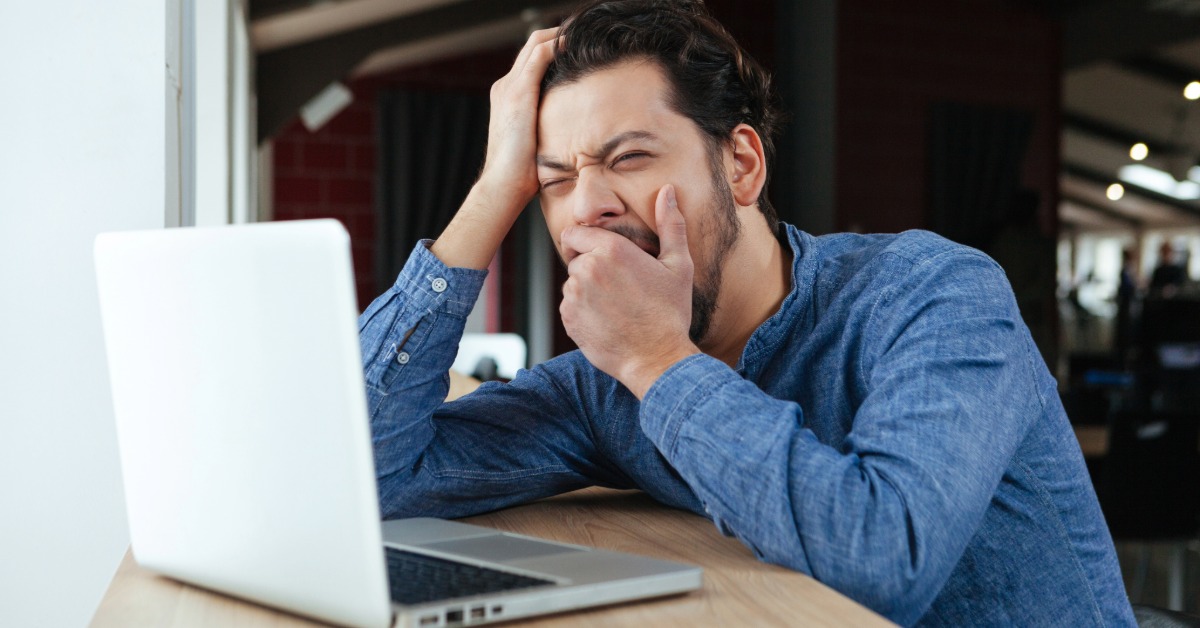
Missing a night of sleep doesn’t only make you tired — it has immediate effects on your mood, energy, and performance.
Mood & Energy: Without proper rest, you’re more likely to feel irritable, stressed, or emotionally unbalanced. Brain fog creeps in, making even simple decisions feel overwhelming.
Performance: Studies show that lack of sleep slows reaction times, lowers productivity, and increases mistakes. In fact, being awake for 18 hours straight affects you the same as a blood alcohol level of 0.05% — dangerously close to the legal limit for driving.
In short, short-term sleep deprivation compromises your ability to think clearly, work efficiently, and live safely.
Long-Term Damage to Your Body
Occasional late nights might feel manageable, but chronic sleep deprivation builds up into serious health risks. Here’s what prolonged lack of sleep does:
Brain & Memory: Poor sleep affects the hippocampus, the part of your brain responsible for learning and memory. Long-term, it may increase the risk of Alzheimer’s and dementia.
Immune System: Sleep is when your body produces infection-fighting cells and antibodies. Without enough rest, you’re more likely to catch colds, flu, and other illnesses.
Heart Health: Chronic sleep deprivation raises blood pressure and stress hormones, increasing the risk of hypertension, heart disease, and stroke.
Hormonal Imbalance: Poor sleep disrupts hormones like cortisol, testosterone, and insulin. This can lead to weight gain, reduced male vitality, and higher risk of type 2 diabetes.
Clearly, the long-term effects of sleep deprivation are far more than feeling tired — they affect your longevity and quality of life.
The Sleep & Aging Connection
Ever noticed how a poor night’s sleep makes you look older instantly? That’s no coincidence. Sleep and aging are closely connected.
Skin: Sleep triggers collagen production, which keeps skin smooth and elastic. Lack of rest accelerates wrinkles and dullness.
Bones & Joints: Deep sleep supports bone density and joint repair. Skipping it speeds up aches and stiffness.
Overall Vitality: Chronic sleep loss makes you age faster, both inside and out.
Without enough sleep, you lose more than just energy — you lose your youthful resilience. Collagen supplements and other natural boosters can help, but without quality sleep, your body can’t fully use them.
How Much Sleep Do You Really Need?
So, how much sleep do you need? The National Sleep Foundation provides general guidelines:
Adults (18–64): 7–9 hours per night
Seniors (65+): 7–8 hours per night
But quality matters just as much as quantity. Signs you’re not getting enough include:
Relying heavily on caffeine to get through the day
Struggling to concentrate or remember things
Waking up tired despite spending 8+ hours in bed
If this sounds familiar, it’s time to take your sleep more seriously.
Natural Ways to Improve Sleep Quality
You don’t always need sleeping pills — there are natural ways to sleep better and wake up refreshed. Try these strategies:
Stick to a Sleep Schedule – Go to bed and wake up at the same time every day, even on weekends. This trains your internal clock.
Reduce Screen Time Before Bed – The blue light from phones and TVs tricks your brain into staying alert. Swap scrolling for reading or meditation.
Manage Stress – Stress is one of the biggest sleep killers. Journaling, meditation, or even deep breathing can calm the mind.
Optimize Your Environment – Keep your bedroom cool, dark, and quiet. Invest in a comfortable mattress and blackout curtains if needed.
Consider Natural Supplements – Magnesium, melatonin, and herbal blends like valerian root or chamomile have been shown to support deeper, more restful sleep. Supplements from trusted sources can provide a natural boost without dependency.
These small but consistent habits can transform restless nights into restorative sleep.
Conclusion: Protect Your Sleep, Protect Your Health
Sleep is not a luxury — it’s a biological necessity. From your brain and heart to your skin and hormones, every part of your body depends on it. Ignoring sleep deprivation doesn’t just affect how you feel tomorrow; it puts your long-term health and vitality at risk.
If better sleep could add years to your life, isn’t it worth prioritizing?
Start by making small changes: set a consistent bedtime, manage your stress, and consider natural supplements if needed. One trusted option is MemSleep+, a sleep-support formula from Gold Pharma designed to help you fall asleep faster, enjoy deeper rest, and wake up refreshed.
Your body will thank you with more energy, sharper focus, stronger immunity, and healthier aging.