
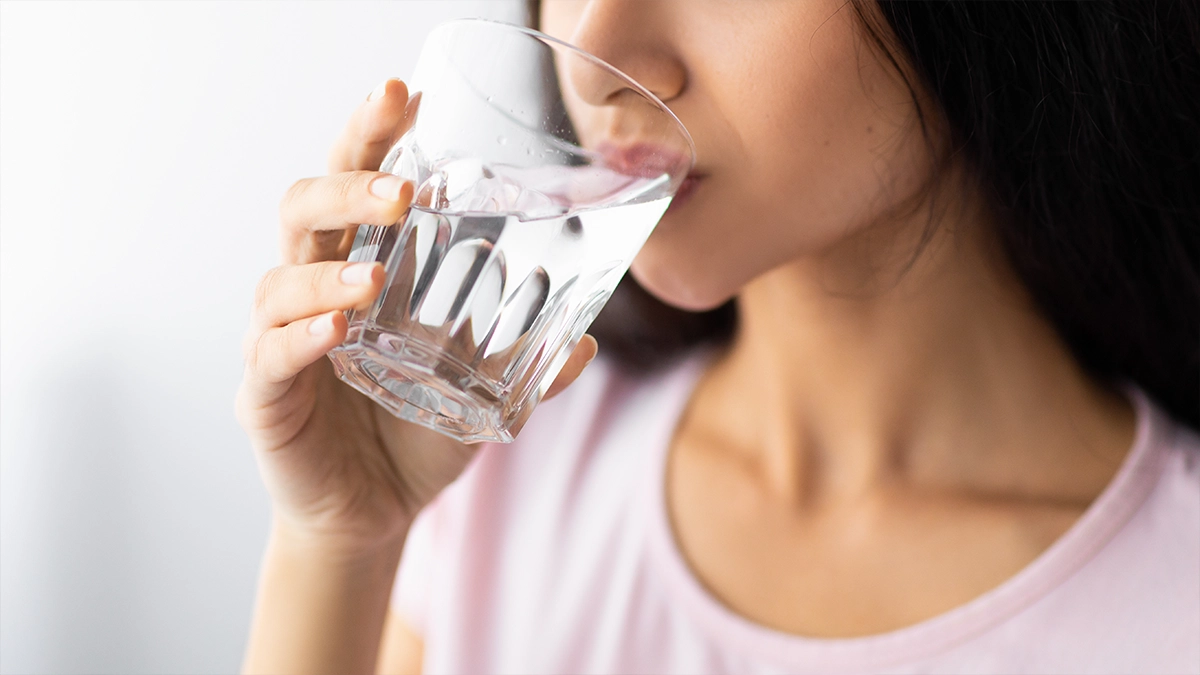
What Happens to Your Body When You Do Not Drink Enough Water?
Water is one of the most essential nutrients your body needs, yet it’s often the easiest one to overlook. Many people focus on eating healthy foods or taking supplements but forget that proper hydration is the foundation of good health.
Have you ever felt tired, dizzy, or unable to concentrate, only to realize you hadn’t had much water all day? It may seem like a small oversight, but even mild dehydration can have a noticeable impact on your body and mind.
Water plays a role in nearly every biological process—from regulating body temperature and transporting nutrients to lubricating joints and helping your organs function efficiently. When your body doesn’t receive enough fluids, it begins conserving water to protect vital organs, which can lead to a wide range of symptoms that affect your daily life.
So, what really happens to your body when you don’t drink enough water? Let’s explore the science behind dehydration, the warning signs to watch for, and simple ways to stay properly hydrated every day.
Why Water Is Essential for Every Cell in Your Body
The human body is made up of approximately 50–60% water, making hydration critical for survival and overall well-being. Every organ, tissue, and cell depends on water to perform its job effectively.
Water acts as your body’s transportation system, carrying oxygen and nutrients to cells while removing waste products through urine and sweat. It also helps regulate body temperature by allowing you to cool down through perspiration during exercise or hot weather.
In addition, water cushions your joints, protects delicate organs, supports healthy digestion, and helps maintain normal blood circulation. Without sufficient hydration, these essential processes become less efficient, forcing your body to work harder just to maintain normal function.
This is why drinking enough water isn’t simply about quenching your thirst—it’s about supporting every system inside your body.
Early Signs of Dehydration You Should Never Ignore
Your body is remarkably good at letting you know when it’s running low on fluids. Unfortunately, many people don’t recognize the early warning signs until dehydration has already begun affecting their performance.
Some of the most common symptoms include:
- Persistent thirst
- Dry mouth or sticky lips
- Dark yellow urine
- Headaches
- Fatigue
- Dizziness
- Difficulty concentrating
- Dry or less elastic skin
These symptoms occur because your body immediately starts conserving water when fluid levels drop. Your kidneys reduce urine production, your saliva decreases, and blood volume begins to decline. As circulation slows, less oxygen reaches your muscles and brain, contributing to tiredness and mental fog.
Instead of waiting until you feel extremely thirsty, it’s better to drink water consistently throughout the day. Thirst is often a sign that your body is already becoming dehydrated.
What Happens to Your Brain When You’re Dehydrated?
One of the first organs affected by dehydration is your brain.
Since the brain contains a significant amount of water, even mild fluid loss can temporarily affect cognitive performance. You may notice that simple tasks become more difficult, conversations require greater effort, or you struggle to stay focused.
Common effects of dehydration on the brain include:
- Reduced concentration
- Brain fog
- Poor short-term memory
- Mood changes
- Increased irritability
- Slower reaction times
Research suggests that even relatively small levels of dehydration may temporarily impair attention, memory, and decision-making. This explains why you might feel mentally exhausted after a day of inadequate water intake—even if you’ve slept well and eaten properly.
If you’re experiencing afternoon brain fog, reaching for a glass of water may be just as important as reaching for your next cup of coffee.
Your Heart and Circulation Need Water Too
Proper hydration is also essential for maintaining healthy circulation.
When your body becomes dehydrated, the amount of fluid circulating through your bloodstream decreases. As blood volume drops, your heart has to work harder to pump blood throughout your body.
This increased workload may contribute to symptoms such as:
- Feeling weak
- Lightheadedness
- Fatigue
- Faster heart rate
- Reduced exercise endurance
Healthy circulation allows oxygen and nutrients to reach your muscles, brain, and organs efficiently. Without adequate hydration, these processes become less effective, making even everyday activities feel more tiring.
Staying hydrated helps support normal cardiovascular function and allows your body to perform at its best throughout the day.
Dehydration Can Slow Down Your Digestive System
Many people don’t realize that proper digestion depends heavily on adequate hydration.
Water helps move food through the digestive tract, softens stool, and supports efficient nutrient absorption. Without enough fluids, digestion slows considerably.
Common digestive issues associated with dehydration include:
- Constipation
- Slower digestion
- Bloating
- Stomach discomfort
- Difficulty passing stool
When your body is low on water, it pulls additional fluid from the colon to preserve hydration elsewhere. This leaves stool drier and harder, making bowel movements more difficult.
Fortunately, supporting digestive health can be simple.
Try to:
- Drink water regularly throughout the day.
- Eat water-rich fruits and vegetables.
- Increase dietary fiber gradually while maintaining good hydration.
Together, these habits help support comfortable digestion and overall gastrointestinal wellness.
Your Skin May Show the First Signs of Dehydration
Your skin often reflects what’s happening inside your body.
Although many factors influence skin health—including genetics, sun exposure, and skincare—hydration plays an important supporting role in maintaining healthy-looking skin.
When you don’t drink enough water, you may notice:
- Dryness
- Rough texture
- Dull complexion
- Reduced elasticity
- Fine lines appearing more noticeable
Proper hydration helps support the skin’s natural barrier and contributes to a healthier overall appearance. Combined with a balanced diet and proper skincare routine, drinking enough water can help your skin look refreshed and vibrant.
Remember that hydration isn’t a miracle solution for skin concerns, but it remains an important part of maintaining healthy skin from the inside out.
Long-Term Effects of Chronic Dehydration
Occasional dehydration is common, but consistently failing to drink enough water may have more significant consequences over time.
Chronic dehydration can contribute to:
- Increased risk of kidney stones
- Recurring constipation
- Reduced physical performance
- Persistent fatigue
- Lower exercise capacity
- Greater susceptibility to heat-related illness
Your kidneys rely on adequate water intake to filter waste efficiently. When hydration is consistently low, urine becomes more concentrated, increasing the likelihood of mineral buildup that can contribute to kidney stones.
Similarly, muscles perform less efficiently when dehydrated, making physical activity feel harder while increasing fatigue during exercise.
The best approach isn’t trying to drink large amounts of water after you’ve already become dehydrated. Instead, focus on maintaining consistent hydration throughout the day to help your body function optimally.
How to Stay Properly Hydrated Every Day
Fortunately, preventing dehydration doesn’t have to be complicated. Small daily habits can make a significant difference.
Start Your Morning With Water
After several hours of sleep, your body naturally loses fluids through breathing and perspiration. Drinking a glass of water shortly after waking helps replenish these losses and starts your day feeling refreshed.
Carry a Reusable Water Bottle
Keeping water within easy reach makes it much more likely that you’ll drink consistently throughout the day rather than waiting until you’re thirsty.
Eat Hydrating Foods
Many fruits and vegetables contain high amounts of water while providing valuable vitamins and minerals.
Excellent options include:
- Watermelon
- Cucumbers
- Oranges
- Strawberries
- Lettuce
- Celery
These foods contribute to your overall daily fluid intake while supporting balanced nutrition.
Drink More During Exercise or Hot Weather
Physical activity, warm temperatures, and excessive sweating all increase your body’s fluid needs. Adjust your water intake accordingly, especially during the summer months or intense workouts.
Watch Your Hydration Signals
One simple way to monitor hydration is by observing your urine color. Pale yellow generally indicates good hydration, while darker urine may suggest you need more fluids. Combined with paying attention to thirst, this can help you develop healthier hydration habits.
Gold Pharma Supplement Recommendations
While water should always remain your primary source of hydration, supporting your overall wellness with targeted supplements may complement a healthy lifestyle.
Vasciol — Supporting Healthy Circulation
Healthy hydration plays an important role in maintaining normal blood flow, and circulation is essential for delivering oxygen and nutrients throughout the body.
Vasciol is designed to support vascular wellness as part of a healthy lifestyle.
Potential Benefits
- Supports healthy circulation
- Promotes vascular wellness
- Complements healthy hydration habits
- Helps maintain overall cardiovascular health
When combined with proper hydration, regular exercise, and balanced nutrition, Vasciol can be part of a comprehensive wellness routine.
StomaFlex — Supporting Digestive Wellness
One of the most common consequences of inadequate hydration is digestive discomfort, particularly constipation.
StomaFlex is formulated to support digestive wellness and gastrointestinal comfort alongside healthy lifestyle habits.
Potential Benefits
- Supports digestive health
- Promotes gastrointestinal comfort
- Helps maintain healthy digestion
- Works best alongside adequate daily water intake
Maintaining proper hydration while supporting digestive health can help your body function more comfortably and efficiently every day.
Conclusion — Small Habit, Big Health Benefits
Water is much more than a refreshing drink—it’s an essential nutrient that supports every organ, tissue, and cell in your body. From keeping your brain sharp and your heart functioning efficiently to promoting healthy digestion and maintaining vibrant skin, proper hydration plays a critical role in overall wellness.
Even mild dehydration can affect your energy, concentration, circulation, digestion, and physical performance. Fortunately, preventing dehydration is often as simple as building consistent daily habits: drinking water regularly, eating hydrating foods, and paying attention to your body’s natural signals.
If you’re looking to take your wellness routine one step further, combining healthy hydration with supportive nutrition may help you maintain optimal health. Gold Pharma’s Vasciol can help support healthy circulation, while StomaFlex complements digestive wellness as part of a balanced lifestyle.
Don’t wait until you’re thirsty to drink water. Make hydration a daily priority, nourish your body with wholesome habits, and give yourself the foundation you need to feel energized, refreshed, and ready for whatever the day brings.